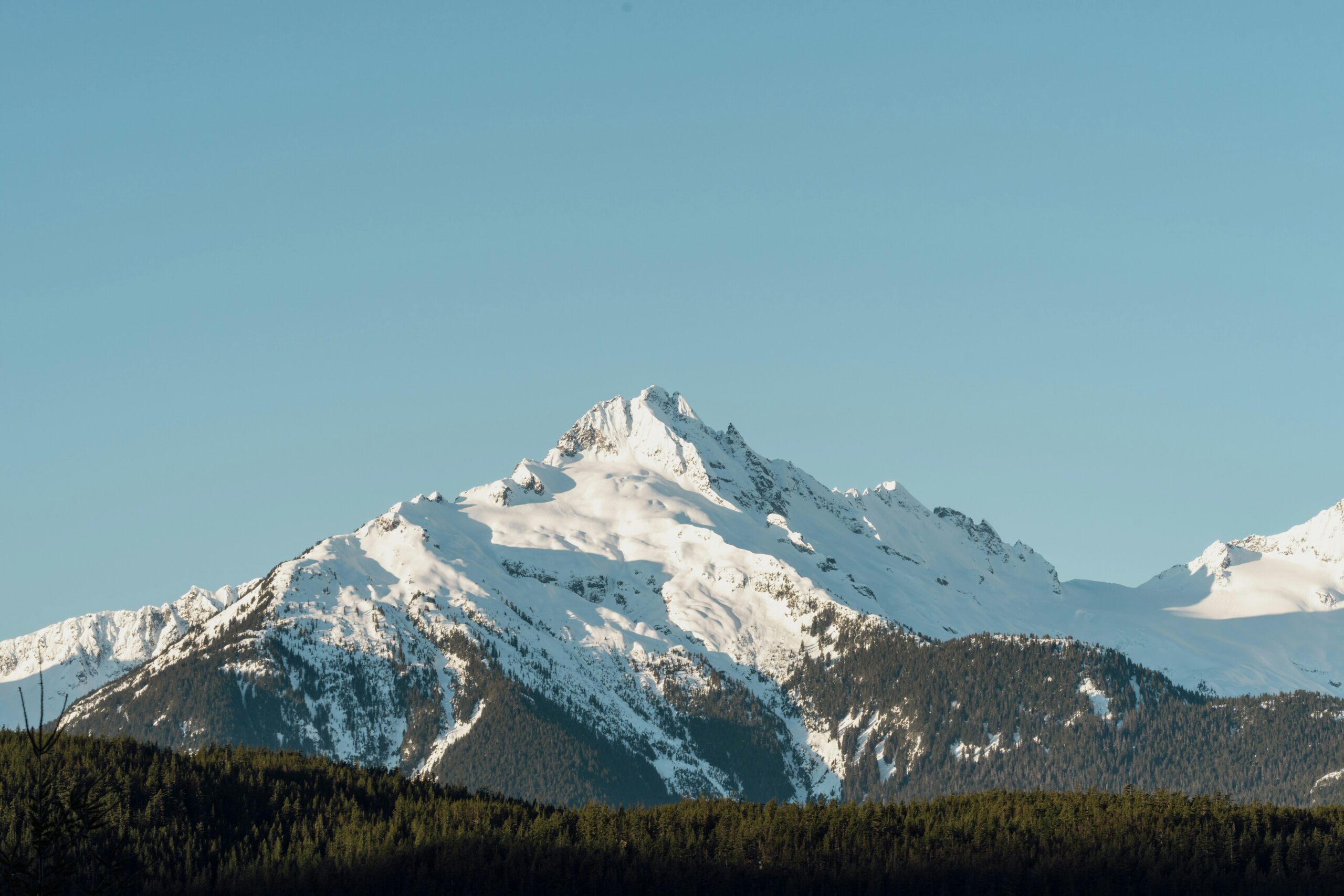
Keeping it Together: British Columbia’s Ecological Landscape and the Impacts of Natural Disaster
Many British Columbians are unaware of the tight-knit communities that surround them and support their everyday lives. And no, I’m not talking about your local running club!
The interconnectedness of British Columbia’s watersheds, forests, and wildlife forms the backbone of the province. With an ever-changing climatic landscape, natural disasters are becoming more frequent and severe. When one component of the ecosystem is disturbed, a cascade of consequences can follow for the flora, fauna, and residents of British Columbia.
Flow or No Go? The Importance of the Watershed
Watersheds play a central role in British Columbia’s ecosystem, supporting both natural and human communities with freshwater. Canada is home to approximately 20% of the world’s freshwater.
A watershed is a gulley or basin that naturally collects rain and snowmelt and funnels it into lakes, rivers, or reservoirs. From there, this water is used throughout ecosystems and by humans for drinking water.
Excess precipitation within watersheds can result in flooding and landslides. In 2021, British Columbians were hit with unprecedented rain which led to flooding in the Lower Mainland. During this event five people were killed, properties were destroyed, and highways were cut off.
Next time you turn on your tap, consider where your water comes from and what could happen if your local watershed was disturbed.
The Locals: BC’s Wildlife
When forests are disturbed, the available habitat for wildlife diminishes quickly. The wildlife in British Columbia forms a closely knit web, from caribou in the northern boreal forests to molluscs on the coastal shores, they are all connected.
Wildlife is often the most prone to habitat loss caused by natural disasters. Wildfires, landslides, and drought all cause disturbances in the environment. For example, declining caribou populations in BC are due to habitat loss, alteration, and fragmentation. According to the Government of BC, caribou “depend on large, undisturbed areas for food resources, reproductive success, and protection from predators and the weather (Government of British Columbia, 2025).”
Declines in caribou populations disrupt predator and prey dynamics, forcing predators such as cougars and wolves to change their range and hunting habits. Do you see a trend?
The wildlife of British Columbia is deeply interconnected, and when habitats and resources are disturbed, the stability of food chains, communities, and entire ecosystems is lost.
Community Ties: Why it Matters
Although the relationship between ecosystems in British Columbia may not be obvious, the impact of a changing environment on these local systems is cause for concern.
The collapse of old growth forests, vital watersheds, or wildlife food chains would be catastrophic for the industries and communities that rely on them. In light of recent floods, wildfires, and droughts across the province, it is imperative to remember that we are part of the ecosystem, not observers of it.
Sources Cited
Daniels, L. D., Dickson-Hoyle, S., Baron, J. N., Copes-Gerbitz, K., Flannigan, M. D., Castellanos-Acuna, D., & Gray, R. W. (2024). The 2023 wildfires in British Columbia, Canada: impacts, drivers, and transformations to coexist with wildfire. Canadian Journal of Forest Research, 55, 1-18
Ministry of Environment and Climate Change. (2025). Learn About Caribou in British Columbia – Province of British Columbia. Www2.Gov.bc.ca. https://www2.gov.bc.ca/gov/content/environment/plants-animals-ecosystems/wildlife/wildlife-conservation/caribou/learn-about-caribou
Leave a Reply